
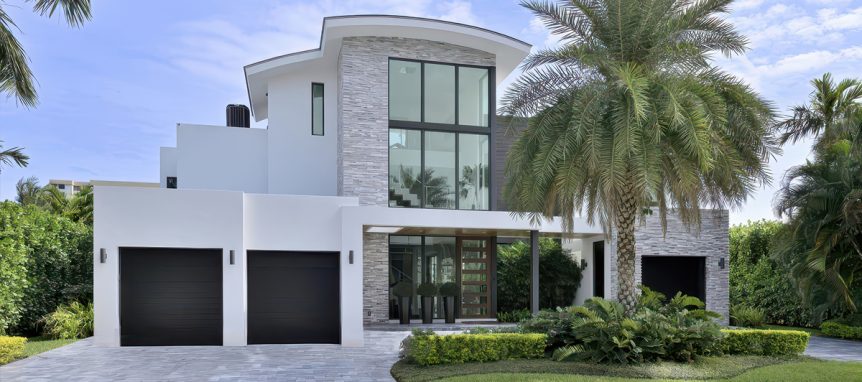
When building a custom home, one of the first major design decisions homeowners face is whether to build a single-story or two-story structure. Both layouts offer distinct advantages and potential drawbacks, and the right choice depends on your lifestyle, lot size, long-term goals, and personal design preferences.
This decision impacts everything from construction cost to how you experience your living space day to day. If you’re working with an experienced construction management team, they’ll guide you through the options, but understanding the core differences ahead of time can help you move forward with confidence.
The Advantages of a Single-Story Home
Single-story homes remain a popular option for homeowners seeking accessibility, ease of maintenance, and seamless indoor-outdoor living. With all living spaces located on the same level, this layout is ideal for families with young children, individuals with mobility concerns, or homeowners planning to age in place.
These homes often promote better flow between spaces and allow for higher ceilings or vaulted designs without requiring additional structural complexity. They also typically allow for easier maintenance, since there are no stairs to navigate and rooftop systems are more accessible. In warmer climates like South Florida, single-story homes also offer excellent opportunities for incorporating courtyards, expansive lanais, and resort-style outdoor living areas.
However, they require a larger footprint, meaning they often need more land to accommodate the same amount of living space. This can be a limiting factor in densely populated areas or lots with strict setback requirements.
The Advantages of a Two-Story Home
Two-story homes are well-suited for homeowners who want to maximize space without expanding the home’s footprint. By building upward, you can fit more square footage on smaller or narrower lots—a key benefit in coastal or urban neighborhoods where land comes at a premium.
These homes offer natural separation between living areas and sleeping quarters, which can be ideal for privacy. Many homeowners appreciate having bedrooms upstairs, away from the activity of the kitchen, living room, and entry. Two-story designs also allow for dramatic architectural features like staircases, balconies, and double-height ceilings, giving the home a bold and luxurious feel.
With less roof area and foundation to construct per square foot of living space, two-story homes can sometimes be more cost-efficient in terms of land usage and energy consumption. Additionally, the elevation provides potential for better views, especially for properties located near the water or in scenic areas.
Considerations for Your Lot and Location
The layout you choose may ultimately depend on the characteristics of your lot. Single-story homes may be easier to design on wide or irregularly shaped lots, while two-story homes are often better suited for narrower parcels where space must be used efficiently.
In coastal regions of South Florida, flood zone requirements may also influence your decision. Certain properties may require elevated living areas, making two-story designs more practical. At the same time, homeowners should consider wind exposure and building code requirements related to hurricane zones, which can impact the structural design of taller homes.
HOA guidelines or architectural review boards may also influence what styles or heights are permitted within your neighborhood. Consulting with a knowledgeable construction management team early in the process can help ensure your vision aligns with all regulations.
Cost, Energy, and Maintenance Factors
From a construction standpoint, single-story homes typically require more concrete for the foundation and more roofing material overall, which can affect cost. Two-story homes, while potentially more efficient in their use of materials per square foot, can require more engineering, more complex framing, and additional HVAC systems to ensure proper comfort across floors.
Maintenance considerations also differ. Two-story homes can be more challenging to maintain when it comes to window cleaning, roof inspections, and exterior painting. Single-story homes, by contrast, make access to these elements easier and often safer for homeowners or service providers.
Energy efficiency depends largely on the design and insulation strategy. Two-story homes may benefit from heat rising away from main living areas, but they also require careful planning to maintain temperature consistency between floors. A well-designed single-story home can be just as efficient with the right window orientation, insulation, and HVAC zoning.
Lifestyle and Long-Term Living
Lifestyle should be one of the most important factors in your decision. A single-story home allows for aging in place, as it eliminates the need for stairs and simplifies everyday movement. For multigenerational families or those planning for future accessibility, this layout offers peace of mind.
Two-story homes offer flexibility and room to grow, especially for larger families. They allow for more distinct separation of space, which can be helpful when working from home, raising teenagers, or hosting long-term guests. Some homeowners even opt to place guest suites or offices on the first floor, with private family areas above.
Ultimately, your stage of life, family size, and future plans should guide this choice. While design trends evolve, the best layout is one that supports your daily life with comfort and ease.
Building the Right Home for You
Choosing between a single-story and a two-story custom home comes down to much more than appearance. It’s about how you want to live, how you use your space, and how your home can adapt to your lifestyle over time. Working with a team that understands both the structural and personal sides of this decision is the best way to make an informed, confident choice.
At Paterson Project Management, we help homeowners navigate every decision with clarity and expertise. Whether you’re leaning toward a spacious single-level retreat or an elegant multi-story estate, our team will bring your vision to life with thoughtful design and exceptional craftsmanship. Contact us today to explore your options and begin planning your ideal custom home.