
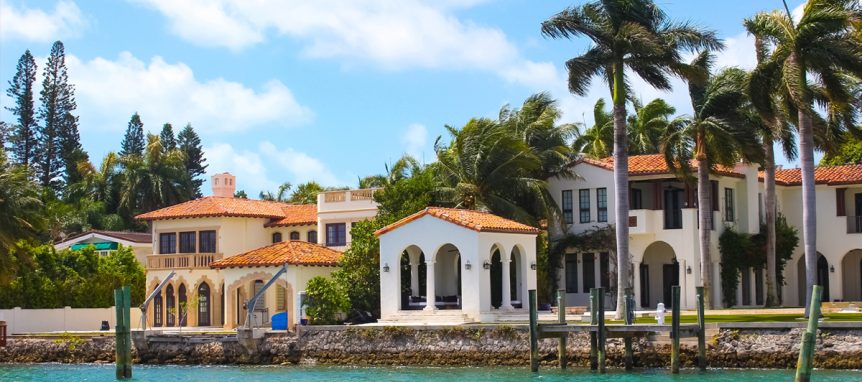
For many South Florida homeowners, the view is one of the most valuable features of a waterfront property. Whether overlooking the Intracoastal Waterway, a canal, or an expansive stretch of open water, the surroundings can become an integral part of the home’s architecture. Capturing those views successfully, however, requires much more than simply adding larger windows.
The orientation of the home, placement of individual rooms, outdoor living areas, landscaping, and even structural decisions can influence how the water is experienced from inside and outside the residence. When these elements are considered from the beginning, the result is a custom home that feels intentionally connected to its waterfront setting.
Begin With the Property Itself
Every waterfront lot presents different opportunities. Before developing the floor plan, it is important to understand the property’s orientation, waterfront frontage, neighboring homes, sunlight patterns, setbacks, and other site-specific characteristics.
The direction the property faces can influence where sunlight enters the home throughout the day and which areas offer the most impressive views. A wide waterfront lot may provide opportunities for multiple rooms to face the water, while a narrower property may require a more strategic approach to sightlines.
Studying these conditions early allows the architecture to respond to the property rather than attempting to adapt a predetermined design to the lot.
Position Primary Living Spaces Toward the Water
In many luxury waterfront homes, the spaces used most frequently are positioned to take advantage of the strongest views. Great rooms, kitchens, dining areas, and primary suites can all be oriented toward the waterfront, allowing the scenery to become part of everyday life.
An open floor plan can further enhance this experience. Fewer visual barriers between rooms can create longer sightlines through the residence, allowing occupants to see the water from multiple locations.
Even the positioning of hallways and entryways can make a difference. A carefully planned arrival sequence might provide a direct view of the water as soon as someone enters the home, creating an immediate connection between the architecture and its surroundings.
Use Glass Strategically
Expansive glass is one of the defining characteristics of modern waterfront architecture. Floor-to-ceiling windows and large sliding or folding glass doors can dramatically increase visibility while bringing natural light deep into the residence.
The goal, however, is not simply to use as much glass as possible. Placement should be carefully considered to frame desirable views while maintaining privacy and managing direct sunlight.
In South Florida, window and door systems must also meet applicable building requirements and be selected with coastal conditions in mind. Combining thoughtful design with high-performance materials allows homeowners to enjoy expansive views without sacrificing the durability expected from a luxury residence.
Create a Seamless Indoor-Outdoor Connection
Waterfront living extends well beyond the interior of the home. Covered terraces, outdoor kitchens, lounge areas, pools, and waterfront seating can become some of the property’s most frequently used spaces.
Large openings between indoor and outdoor areas can make these environments feel connected. When flooring, ceiling details, architectural materials, and sightlines are coordinated, the transition from an interior living area to an exterior terrace can feel natural and uninterrupted.
Covered outdoor areas are particularly valuable in South Florida because they provide shade and protection while allowing homeowners to enjoy the waterfront throughout much of the year.
Consider Views From Multiple Levels
For two-story and multilevel residences, upper floors create additional opportunities to capture the surrounding scenery. Primary suites, private balconies, offices, and upstairs lounges can be positioned to take advantage of elevated perspectives that may not be available at ground level.
Balcony design should be considered alongside the architecture rather than treated as an addition later in the process. Glass railings, strategic rooflines, and thoughtfully positioned structural elements can help preserve sightlines while maintaining the home’s overall aesthetic.
In some properties, elevated views may reveal significantly more of the Intracoastal or surrounding waterways, making vertical planning an important part of maximizing the site’s potential.
Design the Pool and Landscape Around the View
Landscape architecture can either enhance or obstruct a waterfront home’s relationship with its surroundings. Trees, hedges, and other plantings should provide privacy without unnecessarily blocking important sightlines.
Pool placement is equally important. An infinity-edge or carefully positioned pool can visually connect with the water beyond the property, creating a resort-inspired environment. Surrounding terraces and seating areas can then be arranged to face the waterfront rather than simply following the shape of the home.
When architecture, landscaping, and outdoor living are planned together, the entire rear of the property can function as a cohesive waterfront experience.
Balance the View With Privacy
Maximizing a view does not mean sacrificing privacy. Waterfront homes may be visible from neighboring properties, passing boats, or homes located across a canal or waterway.
Strategic landscaping, architectural screening, window placement, and the orientation of private rooms can help create separation while preserving desirable views. Motorized shades and smart glass solutions may also provide additional flexibility when homeowners want greater privacy.
The objective is to create openness where it enhances the experience while maintaining privacy in bedrooms, bathrooms, wellness spaces, and other personal areas.
Let the View Influence the Architecture
Some of the most successful waterfront homes are those that could not have been designed the same way anywhere else. Their architecture responds specifically to the lot, the water, and the lifestyle associated with the location.
Rather than treating the waterfront as a backdrop, thoughtful design makes it part of the home’s identity. Room orientation, expansive openings, outdoor spaces, landscaping, and architectural details can all work together to highlight the property’s defining feature.
At Paterson Project Management, we understand that building a luxury waterfront home requires careful consideration of both the residence and its surroundings. Our team works to create custom homes that take full advantage of South Florida’s exceptional waterfront settings while balancing architecture, functionality, craftsmanship, and lifestyle. If you are considering building a custom waterfront residence, contact us today to discuss your vision.